
The Science of the Comfort Zone: Where Growth Actually Lives
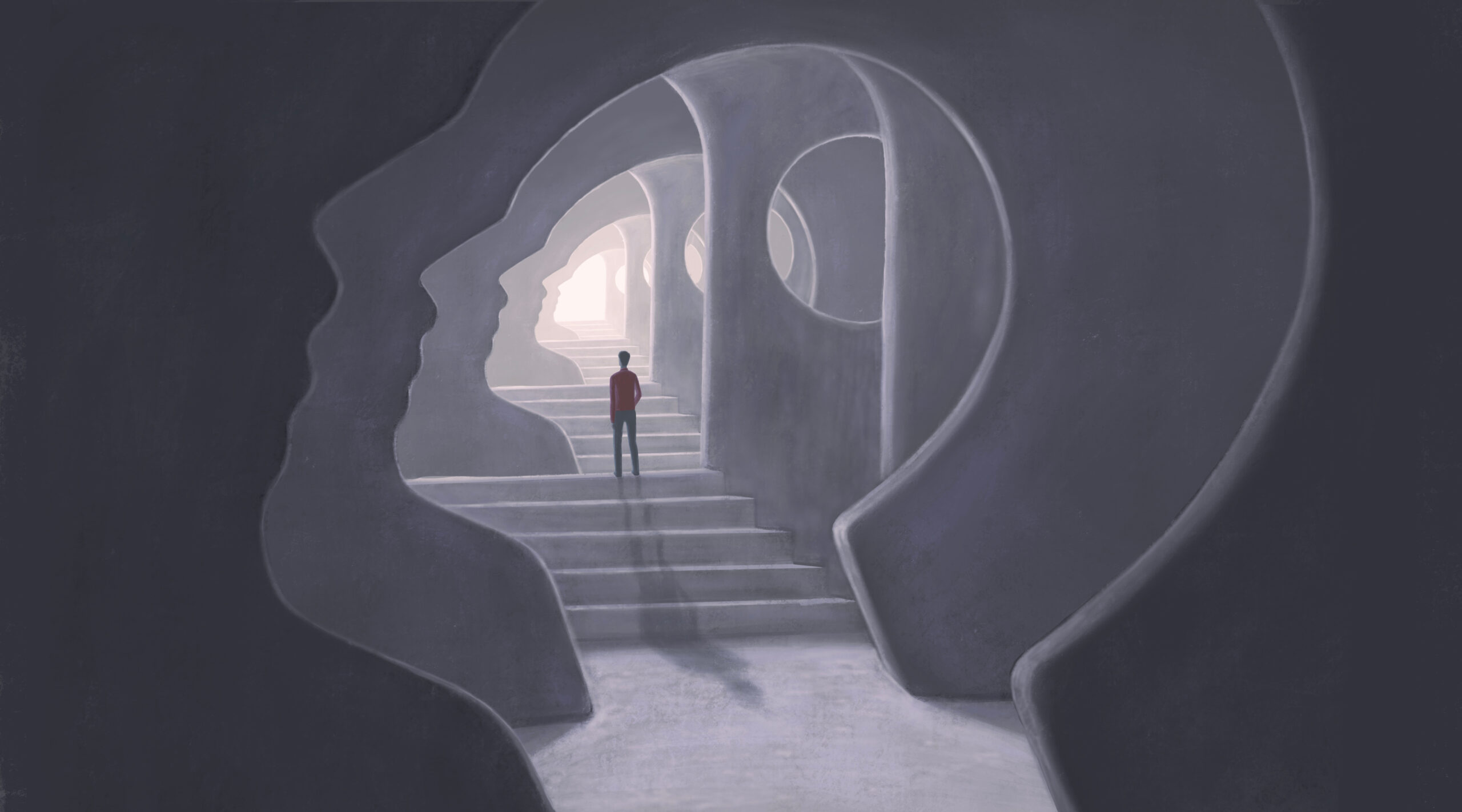
On Day 2 you learned the comfort zone has elastic walls. Today, the science of exactly how hard to push them, because there is an exact answer, and it’s over a century old.
In 1908, two psychologists, Yerkes and Dodson, mapped the relationship between pressure and performance and found a shape that has held up ever since: an upside-down U. Too little pressure and nothing happens; the system idles. Too much and it panics; performance collapses. Between them sits a band of moderate, manageable stress where performance, learning, and growth all peak. Modern researchers call the pleasant floor the comfort zone, the productive middle the stretch zone (or optimal anxiety), and the far side the panic zone.
It’s worth knowing how unglamorous the original work was. Robert Yerkes and John Dodson weren’t studying courage or careers; they were running early laboratory experiments on how arousal affects learning, and the inverted U emerged from that narrow setup. Psychologists have spent the century since testing, debating, and refining the curve, and one refinement earns its place in your pocket: the harder and more complex the task, the lower the pressure at which performance peaks. Simple tasks tolerate high heat. Delicate ones, a hard conversation, a new skill, creative work, want a gentler flame. So the curve is a sketch rather than a law, but the broad shape keeps being rediscovered wherever humans perform under pressure, which is why coaches, surgeons, and musicians all describe the same three zones without ever having read the paper.
The whole craft of changing a life is staying in the middle band.
“Growth has an address: just past comfortable, well short of panic.”
You know the stretch zone by feel. Heart a little quick, palms maybe, the sentence “I don’t quite know how this goes” running somewhere in the background, and underneath it, aliveness. The panic zone feels different: flooded, blank, purely survival. Nothing is learned there; the system is too busy protecting you to grow. This is why “throw yourself in the deep end” is such patchy advice, and why this challenge never asked you for a deep end. Twenty-one small pushes teach more than one traumatic leap, because all twenty-one land in the band where learning actually happens.
The deep end even has a face. Picture someone like Sara, thrown into a pool at eight by an uncle who believed in the direct method. She learned exactly one thing that day: fear of water, installed in a single flooded minute and maintained for twenty-six years. At thirty-four she takes adult lessons. Standing depth, one skill a week, an instructor two feet away. Every session her heart runs a little quick and every session she can still think, still follow instructions, still notice progress. That’s the whole difference. Panic wrote one lesson in her body and locked the door. Stretch wrote thirty small lessons and left the door open. Same water. Different zone.
Two more findings worth owning. First, the zones are personal: your stretch is someone else’s panic and someone else’s warm-up, which is why comparing acts of courage is meaningless. The emotion you named yesterday, the undistracted hour the day before, the income you dared to say out loud, each lands differently for each person, and only the honest owner knows which zone it hit. Second, the zones move. What stretched you on Day 2 is likely inside your comfort zone now; that’s the elastic doing its work, and it’s also why the acts have quietly escalated each week. The dose has to grow because you do.
There’s even a hormonal signature: short, chosen stress spikes cortisol briefly and then builds resilience, while chronic unchosen stress just corrodes. The difference between the two is largely choice. Stress that you pick, at a dose you pick, is training. Which reframes this whole month: you haven’t been enduring discomfort. You’ve been dosing it.
Today’s act is a clean stretch-zone dose, and for a lot of us it sits far higher on the fear scale than it has any right to: ask someone for real help. Pick the one thing you’re stuck on, find someone a step ahead of you, and ask them one clear question, “how did you handle this?” rather than a vague “what should I do?”. Send it before noon, before the day gives you time to talk yourself out of it.
Before you send it, rate the fear from one to ten. It’ll probably read as a four or a five, which is mostly pride, not danger. If it reads below a three, you’ve picked too safe a question or too safe a person; make the ask braver, the real thing you’ve been too proud to say you’re stuck on. If it spikes above an eight, shrink the dose, ask a smaller piece of it, or a slightly less intimidating person, until it sits near a five, still uncomfortable, still yours to steer. Then send, and rate the fear again afterward. It will almost always score lower in hindsight, and that gap, between forecast fear and actual fear, is your comfort zone’s favourite lie, caught on paper. Keep a few of those before-and-after pairs and you own something better than courage: a written record that your fear routinely overbids, signed by you.