
Refusing to Choose a Smaller Life
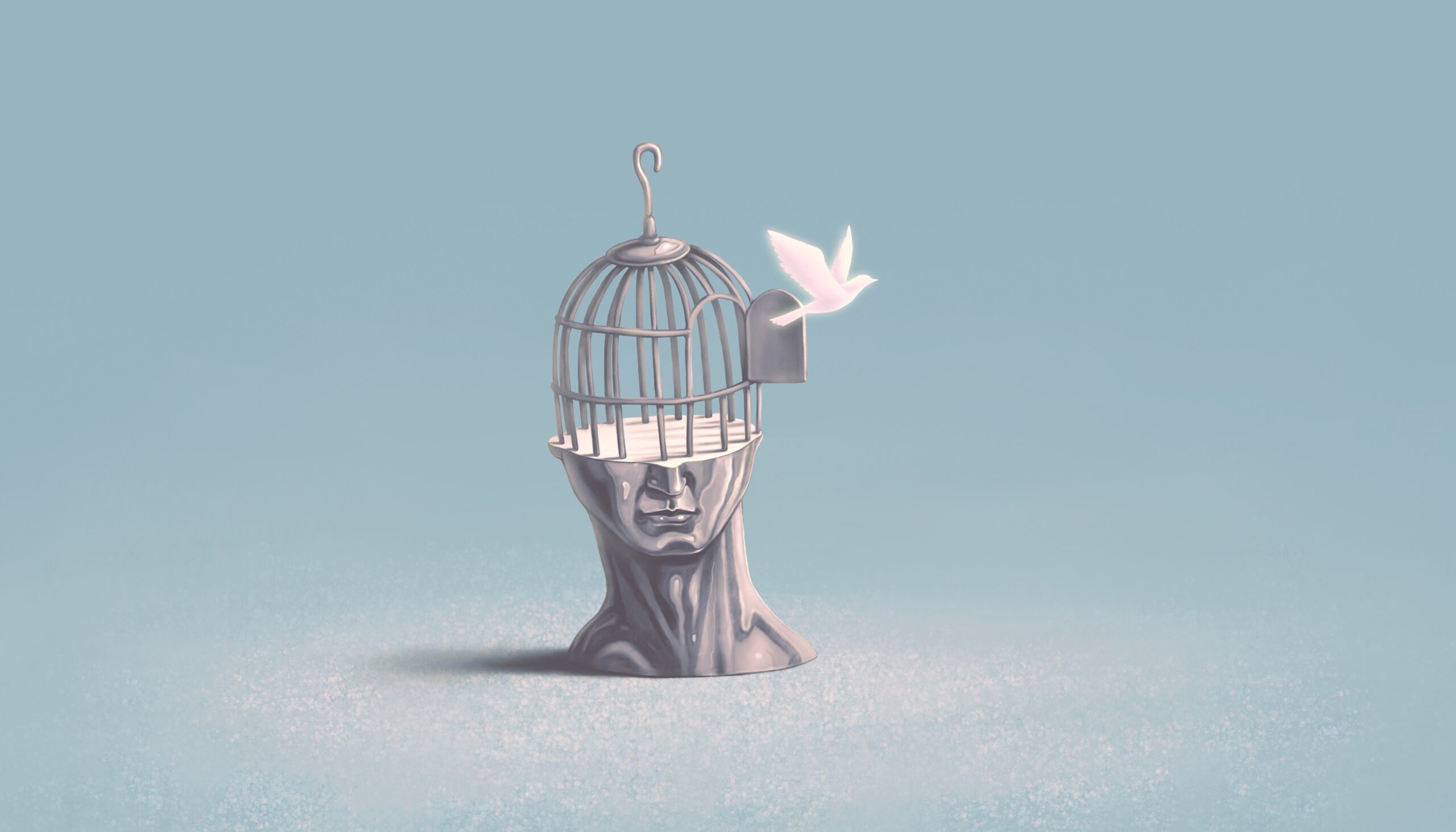
At some point, most people shrink their dream to fit their circumstances and call the shrinking wisdom.
It happens politely. The novel becomes a blog becomes a someday. The business becomes a side project becomes a folder. The move abroad becomes a holiday. Each reduction comes with excellent reasoning, responsibilities, timing, realism, and each earns approving nods, because a culture full of postponed dreams is deeply reassured every time someone else postpones theirs. Settling is contagious, and so, inconveniently, is refusing to.
Watch how the contagion works, because it never announces itself. Tomas wanted to write a novel. He said so, out loud, at twenty-six, and the room went quiet in a way he never forgot. So at twenty-eight he said “a book of stories, maybe”, and the room relaxed. At thirty-one he said “I write a bit”, and the room approved. At thirty-five he said nothing, and the room loved him for it, because by then half the room had folders of their own, and his silence made their silence more comfortable. Nobody in that room was cruel. Every one of them would have called themselves his friend. But a shrinking dream asks nothing of anyone, and rooms are grateful for that. The nods Tomas collected over nine years were real warmth. They were also, gently, a funeral.
Let’s be precise, because this read is not an argument for recklessness. There’s a difference between editing a dream and shrinking it. Editing changes the form but keeps the size: the restaurant becomes a supper club, the album becomes an EP, because you learned something true about the work or about yourself. Shrinking keeps the form and drains the size, the dream stays nominally alive but gets quietly demoted from “what I’m building” to “what I mention after two drinks.” The test is honest and slightly painful: did the dream change because you learned something, or because it stopped being comfortable to want it out loud?
“They shrink the dream to fit the circumstances and call the shrinking wisdom.”
Hold the two side by side and the difference is unmistakable. Leila, from Day 15, wanted a bakery with a shopfront. Somewhere around month five of the shared kitchen, she noticed something true: she loved the ovens and hated the till. The dream changed shape, wholesale bread for three cafés instead of a counter with a queue, and it changed because the work had taught her who she was inside it. That’s an edit. She wants it more now, and says so louder. Tomas’s novel, meanwhile, never taught him anything, because he never touched it long enough to be taught. It just got heavier to say. The form stayed perfect, novel, always novel, while the wanting drained out of it drop by drop. Editing is done with your hands in the work. Shrinking is done at a safe distance, with your reasons.
Run your own dream through the test right now, gently. Has it changed shape in the last five years? If yes, ask where the change came from. If you can point to the lesson, the market that wasn’t there, the craft that turned out to be a different craft, the version of you that came alive in one room and went dead in another, then you’ve been editing, and you should trust the current shape. If the only thing that changed is the volume at which you’ll admit to it, that’s the other thing, and today is a good day to know it.
The rooms deserve one more minute, because rooms are a compounding decision, and yesterday taught you what to do with those. Some rooms enlarge you: you leave them wanting more accurately, saying the dream a size bigger than you walked in with. Some rooms shrink you by pure ambient pressure, with love, with concern, with the gravity of their own folded folders. You can’t always choose your rooms, family is family, but you can audit them, and you can make sure at least one room in your week is an enlarging one. One person who asks “how’s the novel?” and means it is worth ten who tactfully never mention it. If no such room exists in your life yet, notice that you’ve been assembling one this month, one honest exchange at a time: the appreciation you spoke out loud, the conversation you finally had. Rooms can be built, one chair at a time.
Wanting things out loud is the skill this whole challenge has been secretly training. Day 6, you said out loud how you want your work to feel. Day 9, you named the income you want. Day 15, you pictured the relationships worth deepening. Day 17, you had the conversation you’d been avoiding. Notice the direction: the wanting has been moving steadily from hidden to spoken to acted on. That trajectory has a destination, and it isn’t a smaller life.
Most dreams don’t fail. They get postponed, and then the postponement gets renamed. That’s the whole machinery of a smaller life: no dramatic surrender, just a series of reasonable-sounding demotions, each one applauded by a room that needs your surrender to justify its own. You’ve spent nineteen days building the opposite machinery, and today it gets one more part.
Today’s act is a small rebellion against the shrinking, and it targets its favourite hiding place: perfectionism. Perfectionism looks like high standards. It’s usually just postponement in nicer clothes, the dream kept safely unfinished, unshown, unjudged, which is one more way of keeping it small and keeping it safe. So today, show one person something you’re working on that isn’t ready. The draft, the half-built thing, the idea with the edges still rough. Send it as it is, with one line: “early, what do you think?” You’re not asking for approval. You’re practising letting the big thing be seen before it’s safe, which is the exact muscle a full-size dream requires. The version you share should embarrass you slightly. That’s how you know it’s early enough to count.
One more thing before tonight, because tonight matters. In this evening’s reflection, your Future Self is going to ask you what you’d start if it didn’t have to be perfect. Watch what happens in the half-second before you answer. Something will arrive, fully formed, and then a second voice will explain why that one doesn’t count yet. Not ready. Not good enough. Not until I’ve learned the thing first. That second voice is the smaller life, negotiating. Answer with whatever showed up first, at full size, before the editing starts. What happens on Day 21 will be built from your answer.