
Kaizen: The Power of Almost Embarrassingly Small Steps
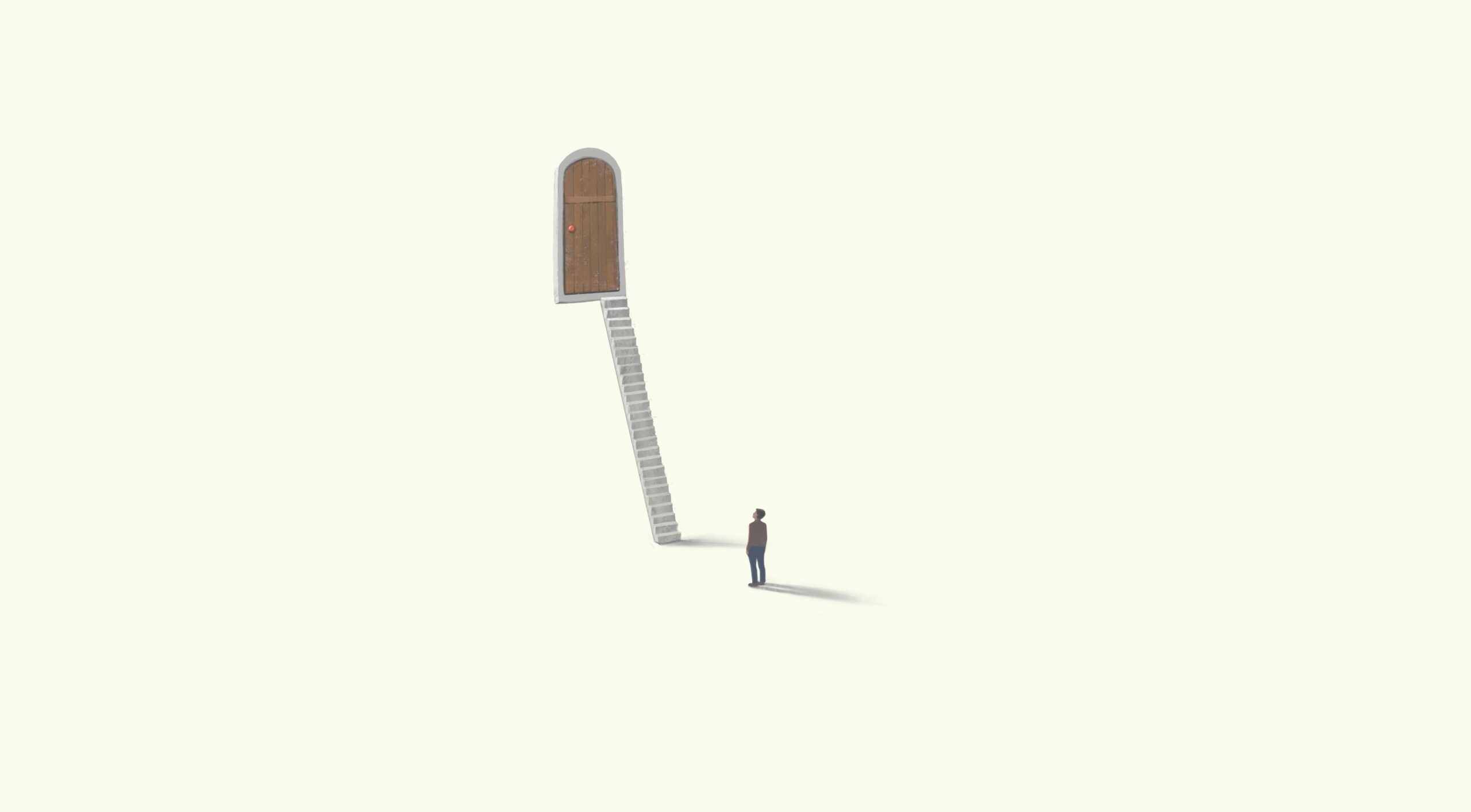
After the war, Japanese factories rebuilt themselves into the best in the world using an idea so modest it barely sounds like an idea at all. They called it kaizen: continuous improvement through changes so small that no single one seems worth mentioning. A bolt placed two seconds closer to the hand. A form with one fewer line. Nobody transformed anything overnight. They got one percent better at a thousand tiny things, forever, and inside a generation Toyota was teaching the world how to build.
The scale of it is worth sitting with. Toyota’s system famously ran on suggestions from ordinary line workers, huge numbers of them every year across the company, and the point was never to wait for a brilliant one. Most suggestions were tiny, most were used, and the workers making them weren’t consultants or engineers. They were the people standing closest to the problem. The exact numbers shift depending on the year and the telling; the culture is the documented part, and the culture was the advantage. No improvement was too small to count. Read that again as a sentence about your life.
The factories understood something about humans that self-help keeps forgetting: resistance scales with size. Announce a revolution, in a company or in a life, and everything in the system braces against it. Fear wakes up, excuses mobilise, the comfort zone reinforces its walls. But a step too small to threaten anyone slips straight past the defences. Nothing braces against one push-up. Nobody procrastinates on writing one sentence. The step is so small it’s almost embarrassing, and that embarrassment is the disguise it wears past your fear.
“Small steps are the disguise progress wears past your fear.”
Picture someone like Ravi. He hasn’t finished a book since university, and he owns many books, bought in bursts of ambition and abandoned by chapter two. His new rule is one page in bed, every night, no exceptions and no extensions required. One page is too small to dread, so he never skips. And here’s what the rule quietly knows: some nights one page becomes twenty, because starting was always the whole cost. A year of that and there’s a shelf of finished books he never once decided to read. He decided to read a page. The books happened.
Here’s the arithmetic that makes small unstoppable. Improve anything by one percent a day and compounding does the rest: after a year it isn’t 365 percent better, it’s roughly 37 times better. The math feels wrong. It’s right. That’s why nobody believes in tiny steps and why they keep working anyway. To be fair to the arithmetic, a life doesn’t compound as cleanly as a spreadsheet. Some days you flatline, some days you slide, and none of it can be measured to a decimal. Treat the number as a compass, an illustration of direction times consistency, and the point survives every bit of the mess: small and daily beats big and occasional, by margins that look like typos.
But kaizen’s real gift isn’t mathematical, it’s emotional. Big goals postpone the feeling of winning until the end, which might be years away, so you spend the whole road feeling behind. Small steps pay you tonight. You did the thing, the day is a win, the streak grows, and winning today makes you the kind of person who shows up tomorrow, which, as you now know, is votes, stacking. Kaizen and identity are the same engine seen from different sides.
You’re living this already. Ten days of four small practices, none heroic, and yet compare yourself to Day 1 honestly: the thing you loved as a kid, done again without guilt; the appreciation you actually said out loud; the income you finally named. No single day did that. The stack did.
To use kaizen today, run it first on the thing you’re currently avoiding. Everyone has one; you named yours in week one. Take it and shrink the next step past the point of dignity. Not “sort my finances” but “open the banking app.” Not “get fit” but “put the shoes near the door.” If the step still produces a flicker of dread, it’s still too big. Halve it again. You’ll be tempted to call this pathetic. Call it that if you like, and notice that the pathetic version gets done and the impressive version has been getting postponed for a month. Most dreams don’t fail. They get postponed. Kaizen is the anti-postponement machine.
So today’s act is kaizen pointed at the people you love, and it works on the room rather than on you. Phone in a different room. One hour. That is the entire intervention, and it should feel far too small to count. It is exactly as small as moving the jar. Then have one conversation with someone who matters and stay inside it, not the polished version of you, the present one. Your nervous system tracks that phone across the room whether or not it ever buzzes, and that has been the quiet tax on your evenings for years. One hour and one closed door buys you something that ten half-present evenings never did. Small enough to be embarrassing. That’s how you know it will hold.